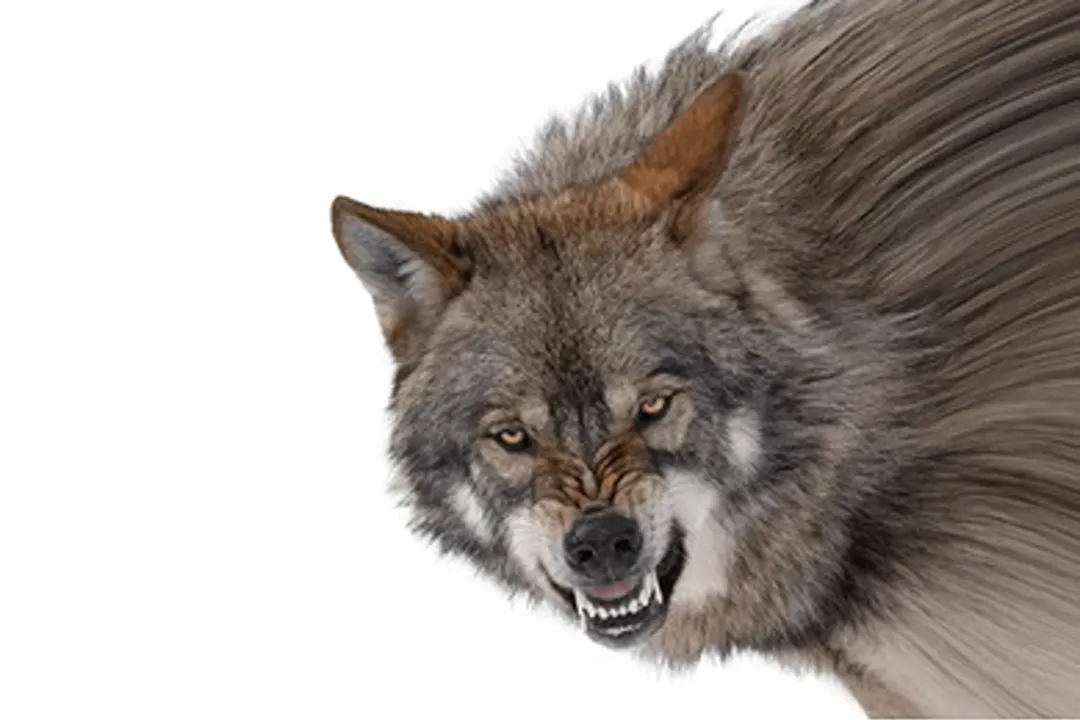
:cally signals unresolved stress, suppressed emotions, or a situation in your waking life that you’re avoiding. The specific animal matters—each one carries distinct symbolic meaning that can reveal deeper insights about your emotional state and current circumstances.
Few dreams feel as visceral as being hunted. Your legs won’t move fast enough. You can hear it gaining on you. Then you wake up, heart pounding, sheets damp—wondering what on earth your brain was trying to tell you.
Chase dreams are among the most commonly reported dream experiences. According to research published in the journal Dreaming, pursuit dreams are particularly frequent during periods of heightened psychological stress, and they appear across cultures and age groups with striking consistency. That cross-cultural prevalence has led many psychologists and sleep researchers to believe these dreams tap into something fundamental about how humans process fear, conflict, and avoidance.
But what does it mean specifically when the pursuer is an animal? The answer depends on a few things: the animal itself, how you responded in the dream, and what’s currently happening in your life. This post breaks it all down—from the psychological frameworks used to interpret animal chase dreams, to what specific animals commonly symbolize, to what you can actually do with this information.
Why Do People Dream About Being Chased in the First Place?
Before getting into the animals, it helps to understand why pursuit dreams happen at all.
The most widely cited explanation comes from threat simulation theory, proposed by Finnish neuroscientist Antti Revonsuo in 2000. The theory suggests that dreaming evolved as a kind of rehearsal mechanism—a way for the brain to simulate threatening scenarios so the organism can practice responding to danger. Being chased by a predator is about as primal a threat as it gets, which may explain why the brain returns to this scenario so readily.
From a psychological standpoint, Carl Jung viewed the pursuer in a chase dream as a representation of the “shadow”—the parts of ourselves we repress or refuse to acknowledge. When the pursuer is an animal rather than a human, Jungian analysts often interpret this as the unconscious mind giving form to instinctual drives or raw, unprocessed emotions.
Modern cognitive therapists take a more grounded view. They tend to interpret chase dreams as straightforward metaphors for avoidance: you’re running from something in your waking life, and your brain is dramatizing that evasion in sleep. The “something” could be a difficult conversation, a looming deadline, a toxic relationship, or a decision you’ve been putting off.
Both frameworks carry merit, and they’re not mutually exclusive. What makes animal chase dreams particularly rich is that the specific animal adds another layer of meaning—one shaped by cultural symbolism, personal associations, and evolutionary psychology.
What Does the Animal Represent in a Chase Dream?
What does it mean to dream about being chased by a dog?
Dogs are loyal, social animals with a deep symbolic connection to relationships and trust. Being chased by a dog in a dream often points to conflict or tension within a close relationship—a friendship, a family bond, or a romantic partnership. It can also represent feelings of guilt or a sense that someone you’ve wronged is “on your heels.”
If the dog in the dream was aggressive or snarling, consider whether there’s a relationship in your life that has turned hostile, or whether you’ve been suppressing anger toward someone close to you.
What does it mean to dream about being chased by a bear?
Bears are commonly associated with power, protection, and—when provoked—overwhelming force. Being chased by a bear often symbolizes a situation that feels too large or too powerful to confront directly. This might be an authority figure, a professional challenge, or a deeply held fear.
Bears also have maternal associations in many cultures. Some dream analysts interpret a pursuing bear as a representation of an overbearing or controlling figure in the dreamer’s life, particularly a parent or guardian.
What does it mean to dream about being chased by a snake?
Snakes are among the most symbolically loaded animals in the human subconscious. Research by evolutionary psychologist Lynne Isbell suggests that humans developed an acute neural sensitivity to snakes over millions of years of coexistence—which may explain why snake imagery appears so frequently in dreams and mythology alike.
In dream interpretation, a chasing snake often represents hidden threats, betrayal, or repressed fears. It can also symbolize transformation, particularly if the dreamer is avoiding a necessary change. In some psychological frameworks, snakes are associated with sexuality or primal instinct.
What does it mean to dream about being chased by a lion or tiger?
Big cats—lions, tigers, leopards—typically symbolize raw power, ambition, or a dominant force. Being chased by a lion may reflect a sense that you’re being overwhelmed by your own ambitions, or that someone in your life is exerting pressure and control over you.
Tigers, in particular, often appear in dreams during periods of intense professional competition or when the dreamer feels hunted in a social or workplace context.
What does it mean to dream about being chased by an insect swarm?
Being pursued by insects—especially bees, wasps, or ants—tends to represent anxiety about small, accumulating problems. These are the stressors that feel manageable in isolation but become overwhelming in aggregate: mounting tasks, persistent worries, or social frictions that have been left unaddressed for too long.
Does How You React in the Dream Change Its Meaning?
Yes—significantly. Dream analysts often pay as much attention to the dreamer’s behavior as to the pursuer itself.
If you ran and hid, this typically reinforces an avoidance pattern. The dream may be signaling that you’re in full retreat from something that genuinely needs to be addressed.
If you turned and faced the animal, many interpretations view this as a positive sign—an indication that the dreamer is ready or becoming ready to confront whatever the animal represents. Some people deliberately practice this technique using a method called lucid dreaming, in which the dreamer becomes aware they’re dreaming and can consciously alter their responses.
If you escaped, the dream may reflect a temporary sense of relief from a stressor, though the underlying issue likely remains unresolved if the dreams recur.
If the animal caught you, this can feel alarming but isn’t inherently negative in symbolic terms. Being caught sometimes represents a confrontation with something you’ve been avoiding—one that may ultimately lead to resolution.
Are Recurring Animal Chase Dreams a Cause for Concern?
A single chase dream is rarely cause for alarm. Recurring chase dreams, however, are worth paying attention to.
Sleep researchers link recurring pursuit dreams to elevated anxiety, chronic stress, and in some cases, post-traumatic stress responses. A 2019 study published in Sleep Medicine Reviews found that nightmare frequency is a reliable indicator of overall psychological distress and is associated with reduced sleep quality, mood disruption, and impaired daytime functioning.
If you’re experiencing recurring animal chase dreams—especially if they’re disturbing your sleep or affecting your mood—it may be worth exploring what’s driving them. Journaling immediately after waking can help identify patterns. Therapy, particularly cognitive behavioral therapy for insomnia (CBT-I) or imagery rehearsal therapy (IRT), has strong clinical evidence for reducing nightmare frequency and severity.
How to Use Your Dream as a Diagnostic Tool
Rather than treating a chase dream as something mysterious or frightening, consider using it as a prompt for honest self-reflection. These questions can help:
- What am I currently avoiding in my waking life? Think about conversations you’ve postponed, decisions you’ve delayed, or emotions you’ve been suppressing.
- Does the animal feel personally significant? Your associations with a specific animal may be more informative than general symbolic meanings. A person who was bitten by a dog as a child will bring different meaning to a dog-chase dream than someone with no negative dog experiences.
- Has anything changed recently? New stressors, relationship shifts, or major life transitions frequently trigger pursuit dreams as the brain works to process change.
- How did I feel during and after the dream? Terror, curiosity, exhilaration—these emotional tones offer clues about the nature of the underlying issue.
The Bottom Line: What Your Animal Chase Dream Is Really Telling You
Being chased by an animal in a dream is rarely a random event. The brain doesn’t generate vivid, emotionally intense experiences for no reason. Most of the time, these dreams are performing useful work—surfacing conflicts, flagging avoidance, and drawing attention to emotions that haven’t found another outlet.
The animal matters, the action matters, and the context of your current life matters most of all. Use the symbolism as a starting point, not a definitive answer. Your own associations with the animal, combined with an honest look at what you’re running from in your waking life, will usually reveal more than any generic dream dictionary.
If the dreams persist, take that seriously. Chronic nightmares are the subconscious equivalent of a persistent warning light—worth investigating rather than ignoring.
Frequently Asked Questions
What does it mean to dream about being chased by an animal?
Being chased by an animal in a dream most commonly represents avoidance of a stressor, conflict, or emotion in your waking life. The specific animal adds symbolic meaning—dogs may represent relationship tension, snakes may signal hidden fears or betrayal, and bears often symbolize overwhelming external pressure.
Are animal chase dreams connected to anxiety?
Yes. Research links pursuit dreams—including those involving animals—to heightened anxiety and psychological stress. Recurring chase dreams in particular are associated with elevated distress levels and disrupted sleep quality, according to studies published in Sleep Medicine Reviews.
Why do I keep having the same animal chase dream?
Recurring chase dreams typically indicate an unresolved conflict or stressor that the brain continues to process. If an issue hasn’t been addressed in waking life, the subconscious may return to it repeatedly during sleep. Journaling and therapy—particularly imagery rehearsal therapy—can help break the cycle.
Does the type of animal change the meaning of the dream?
Yes, significantly. Each animal carries distinct symbolic associations shaped by cultural meaning and personal experience. A lion often represents power or ambition, a snake may symbolize hidden threats or transformation, and a dog frequently points to relationship conflict or guilt.
Should I be worried if I dream about being chased by an animal?
A single chase dream is generally not a cause for concern. If these dreams recur frequently, disturb your sleep, or affect your mood during the day, it’s worth speaking with a mental health professional. Cognitive behavioral therapy and imagery rehearsal therapy have strong clinical evidence for treating recurring nightmares.
Can I control what happens in an animal chase dream?
Some people use lucid dreaming techniques to become aware within the dream and change their response—for example, turning to face the animal rather than running. Research on lucid dreaming suggests this can reduce nightmare distress, though it requires practice and doesn’t work for everyone.
